

Mesothelioma Asbestosis
The exposure to asbestos is the reason for both asbestosis and mesothelioma. Both are long-term health issues. Mesothelioma, a cancerous condition is distinct from asbestosis.
A biopsy is the main way to diagnose mesothelioma pleural. Doctors examine a small piece of pleural tissue under the microscope.
Signs and symptoms
Mesothelioma is a cancer of the thin layer of tissue surrounding organs. It can be caused by exposure to asbestos. Asbestos is one of the naturally occurring mineral fibers that were previously used in a variety of different products, including insulation, brakes, shingles and flooring. When asbestos is disturbed, tiny fibers are released into the air. Inhaling these fibers could cause irritation in the stomach and lungs. Mesothelioma occurs when cells in affected tissue grow abnormally, transforming into tumors. Mesothelioma can occur in any body part and affects men and women equally.
The symptoms can vary depending on the location the tumors begin to grow and what stage of mesothelioma the cancer is. Breathing difficulties and chest pain are the most frequent symptoms. Other signs include abdominal pain, fatigue and fever. After asbestos exposure mesothelioma can take up to 60 years to manifest. The symptoms usually are not evident until the disease is at an advanced stage. This lengthy latency time is one of the primary reasons patients are misdiagnosed.
The first signs of pleural cancer include chest pain, trouble breathing, and a cough. As the cancer progresses, it can produce fluid buildup which irritates lungs, causing chest pain, coughing fatigue and weight loss. The buildup of fluid can also occur around the heart or in the abdomen.
As the disease progresses, the symptoms get more severe and they spread to other parts. Peritoneal mesothelioma may cause pain in the abdomen and affect digestion. Pleural mesothelioma can extend to the chest wall, diaphragm and heart, causing lung issues.
A biopsy is a way for doctors to diagnose mesothelioma. They will analyze the cells to determine if it is epithelioid mesothelioma, sarcomatoi or biphasic. Epithelioid is the most common mesothelioma that accounts for 70%. It is most responsive to treatment. Sarcomatoid mesothelioma is more difficult treat and has a worse prognosis. Biphasic mesothelioma is composed of epithelioi and sarcomatoid cells. It is present in 40 percent of patients. Early stages of the disease can be treated surgically.
Diagnosis
The diagnosis of mesothelioma is made dependent on a mix of tests, including imaging scans and blood tests. The test results are used to determine if there are any mesothelioma cells present and assist doctors in deciding on the best treatment option for each patient.
A doctor will first assess the patient and ask them about their exposure to asbestos in the past. Many people who have been exposed to asbestos know they are at risk for developing lung problems. However, it can take years before the first signs appear. For this reason, many mesothelioma patients are mistakenly diagnosed with other illnesses, such as lung cancer or pneumonia.
Mesothelioma is triggered by the inhalation of small asbestos fibres that affect the lungs as well as other organs. The damage is gradual and the first signs of mesothelioma usually not noticed until 20 to 60 years after exposure.
Asbestos is one of the minerals that are made up of tiny fibres. They were once commonly used in the construction of homes however, they are now banned from use. People most at risk of mesothelioma are those that been employed in the mining and manufacturing industries, where they might have breathed asbestos or touched it. This includes miners, construction workers, insulation workers, and electricians.
After the initial exam is completed, the doctor will require a series of imaging tests to obtain more information about the extent of mesothelioma. These include CT (computerised tomography) scans, MRI (magnetic resonance imaging) scans and PET scans. These scans may reveal the location of a mesothelioma tumour, and can indicate whether it has been able to spread.
Doctors will also take a sample of tissue from the affected area in order to confirm a mesothelioma diagnosis. This can be done either by inserting a needle during surgery. VATS (video assisted thoracoscopic surgical) or CT-guided core biopsies are usually used for pleural mesothelioma. For peritoneal mesothelioma, the sample is usually taken from the abdomen during surgery, or using an cytology needle. The specimen is then examined under a microscope to confirm the mesothelioma diagnosis.
Treatment
The early detection of mesothelioma may provide a treatment that is effective. Treatment options include radiation therapy, chemotherapy and surgery. Some patients have also experienced good outcomes with new targeted therapies, however they are still being evaluated in clinical trials.
Doctors will usually perform a physical examination in the event of suspicion of mesothelioma. They can also request imaging scans, blood tests or biopsy. A biopsy involves the removal of tissue or fluid from the affected area, such as lung mass for examination under microscope. Doctors can perform a biopsy using surgical techniques such as VATS (Video-assisted thoracoscopic surgery) or by inserting a needle in the mesothelioma in order to remove a tiny portion of tissue.
When a biopsy is performed, doctors will also collect an extract of the area around the tumor to conduct further tests. This will enable them to determine if mesothelioma tumor cells are present and of what type. They will utilize this information to decide on the right mesothelioma treatment.
The symptoms of mesothelioma are often severe and can make daily life difficult. The tumors can be painful, particularly if they press against nerves or organs. Mesothelioma also causes fluid to build up in the abdomen or chest. This can cause difficulty breathing and weight loss, as well as swelling of the chest or abdomen.
Doctors can remove excess fluid from the chest in order to relieve pain and improve breathing in people who are not fit for surgery. This is known as thoracentesis or paracentesis. They may also employ pleurectomy or decortication that involves injecting a sterilized talcum powder into the pleural cavity in order to cause inflammation that may make the pleural space more narrow and reduce the buildup of fluid.
Peritonectomy is a method which doctors use to eliminate the tumor as well as part of the abdominal lining in the case of peritoneal cancer. Doctors can treat peritoneal cancer by radiation therapy or chemotherapy alone or together with surgery. They can also administer chemotherapy prior to radiation therapy or surgery which is known as neoadjuvant treatment. They may also be able to test experimental treatments in clinical trials, like a new drug targeting the cell cycle.
Prognosis
The prognosis for mesothelioma may vary depending on a number of factors. The type of cancer, its location and stage all affect how the disease develops and what treatments are used.
A biopsy will determine the type of mesothelioma that a person is suffering from. During the procedure, a tiny piece of tissue is taken from the affected area and examined under a microscop. Norfolk asbestos attorneys will look at the tissue for any signs of mesothelioma and for other abnormalities.
A few signs that could suggest mesothelioma pleural include chest pain, breathing difficulty and constant coughing. Patients who suffer from any of these symptoms should seek medical care.
It can be difficult to diagnose mesothelioma, especially at its beginning stages. It is common to mistakenly diagnose patients. A second opinion from a specialist in mesothelioma can increase the chances of a patient's survival. A positive diagnosis can boost the chances of survival.
A cytology test is a crucial component of diagnosing mesothelioma. The test involves taking a sample from the affected lungs and abdomen, which is then examined under a microscope to look for signs of mesothelioma. The test can also reveal how cells are growing and help doctors determine the type of mesothelioma an individual has.
Another lab test that is used to diagnose mesothelioma is immunohistochemistry. In this lab test it is used to attach to markers on cells. When the antibody binds to the marker and the stain turns color. The color of the stain indicates what type of mesothelioma is displayed by the cells.
The oncologist will establish the extent of the mesothelioma's growth after it has been detected. This is known as the mesothelioma staging. Stage 1 mesothelioma is most likely to be successful, followed by stages 2 and 3. The prognosis for patients with mesothelioma that is sarcomatoid or peritone worse due to the fact that these cancer cells are more difficult to treat than epithelioid.
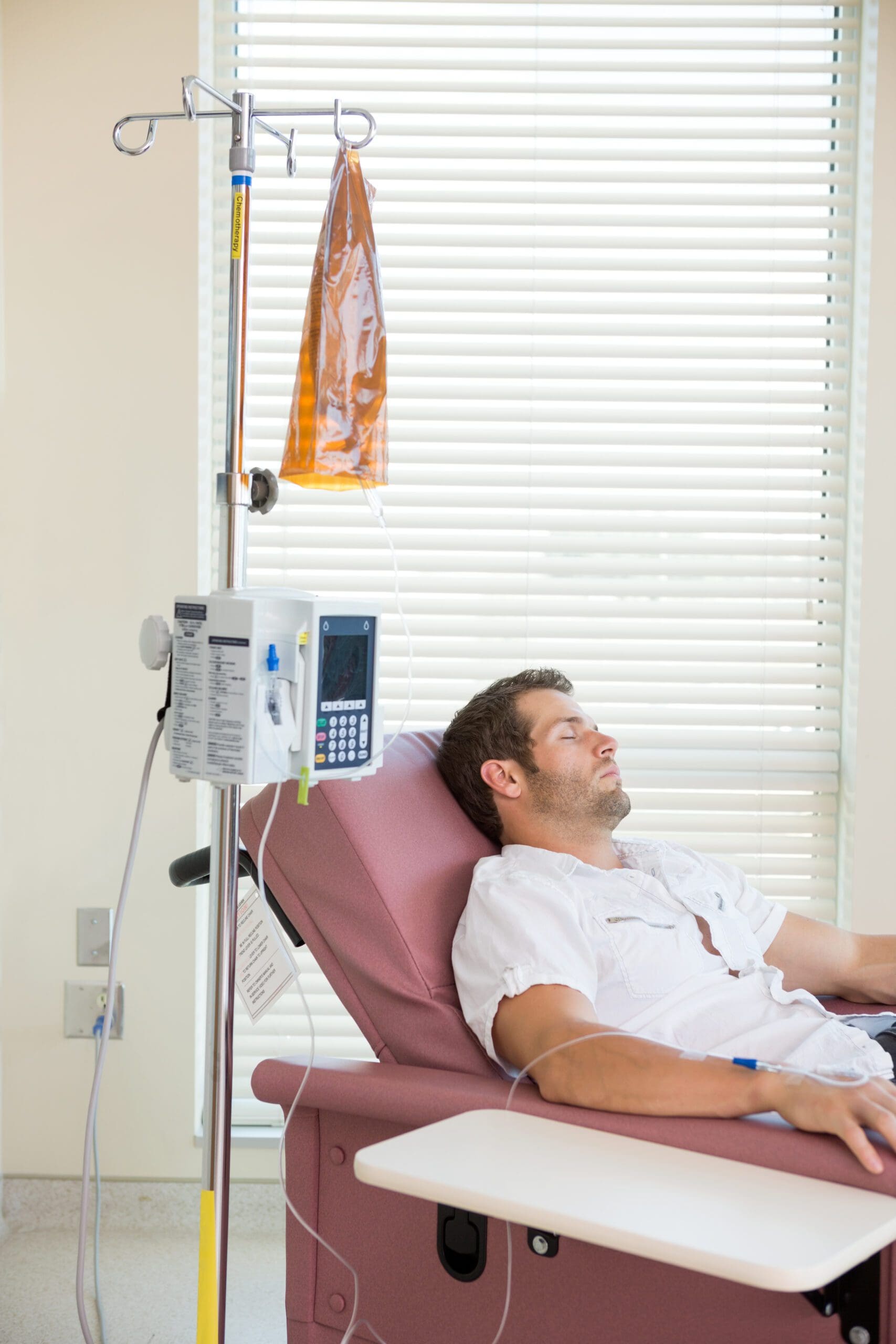
A doctor may recommend chemotherapy, radiation therapy, or surgery following a mesothelioma is diagnosed. Some doctors will also prescribe the combination of these treatments. A mesothelioma vaccine is another option for treatment. It has shown promise for improving survival rates and slowing the development of mesothelioma.